Getting There Light: Transit‑Savvy Packing Strategy

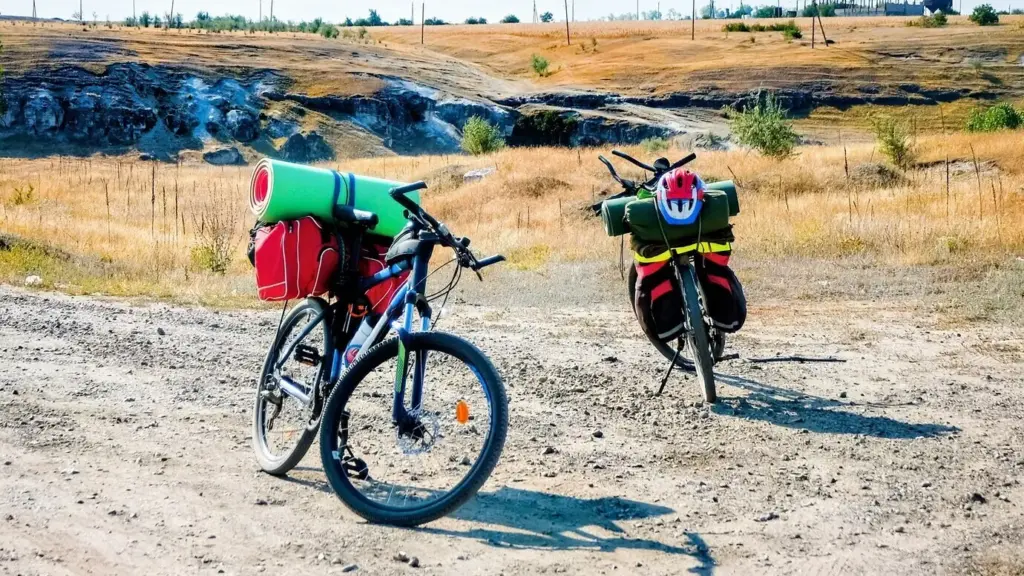
Streamline every connection by choosing compact gear that stows cleanly, lifts easily, and transitions gracefully from crowded platforms to gravel trailheads. We’ll balance volume, weight, and accessibility so your pack fits overhead bins, rides between knees, or straps neatly to a bike without snagging or tipping. Expect real-world tactics for crush zones, fast transfers, and doors that open unexpectedly, plus ways to keep essentials within reach while protecting delicate items from jolts, rain showers, and curious elbows during rush-hour squeezes.

Shelter and Sleep Without Bulk

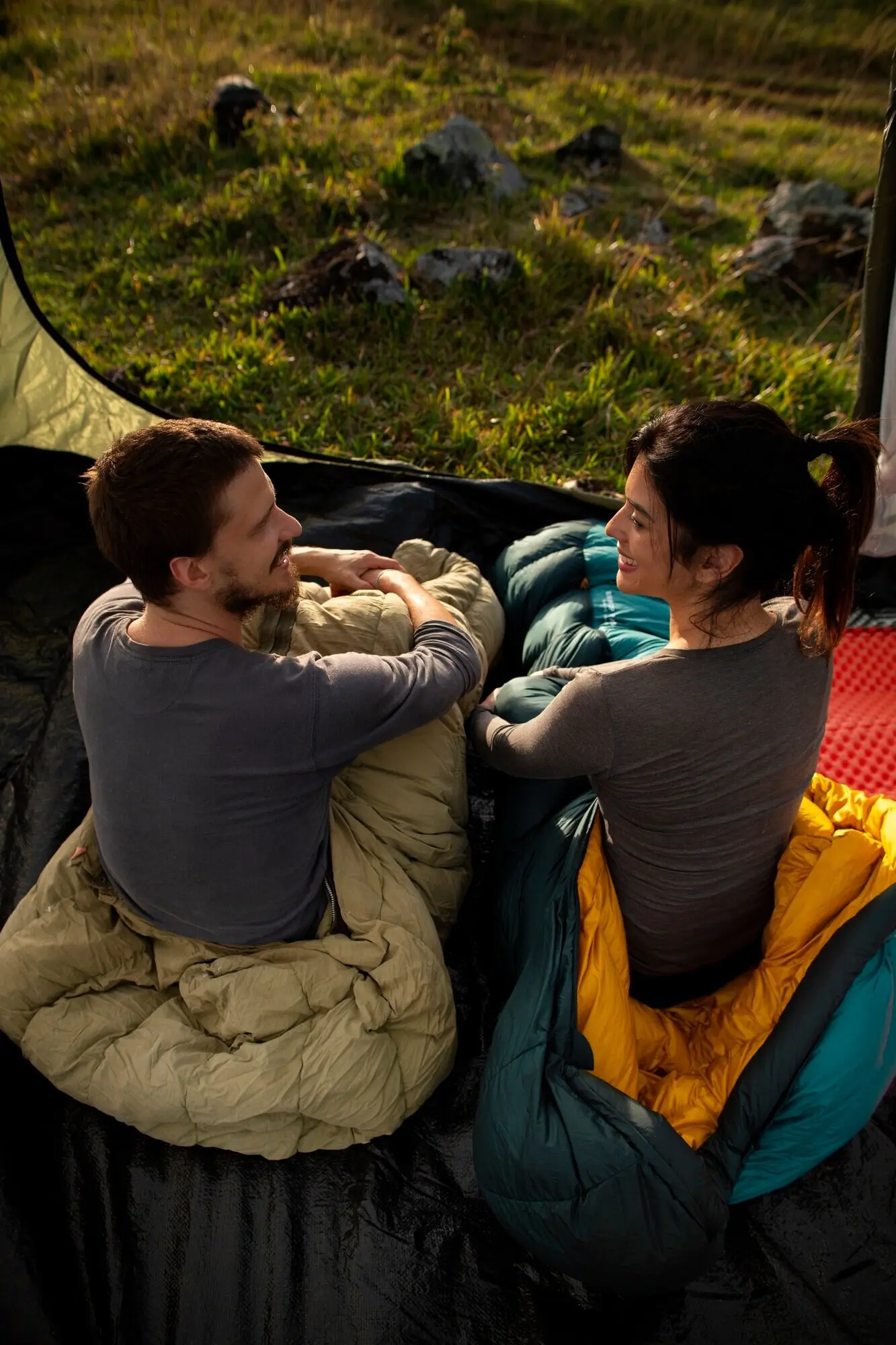
Rest well with shelter and sleep systems that vanish in the pack yet bloom into cozy protection after sunset. We’ll compare light tarps, bivies, and trekking-pole tents for various sites, weather windows, and condensation patterns. Expect practical layout tips, packing order tricks, and warmth math that blends quilt ratings, pad R-values, and clothing layers. You’ll learn to orient for breezes, embrace minimal stakes, and create breathable comfort using tiny tweaks that save ounces while boosting genuine overnight recovery.

Food, Water, and Stoves That Travel Well

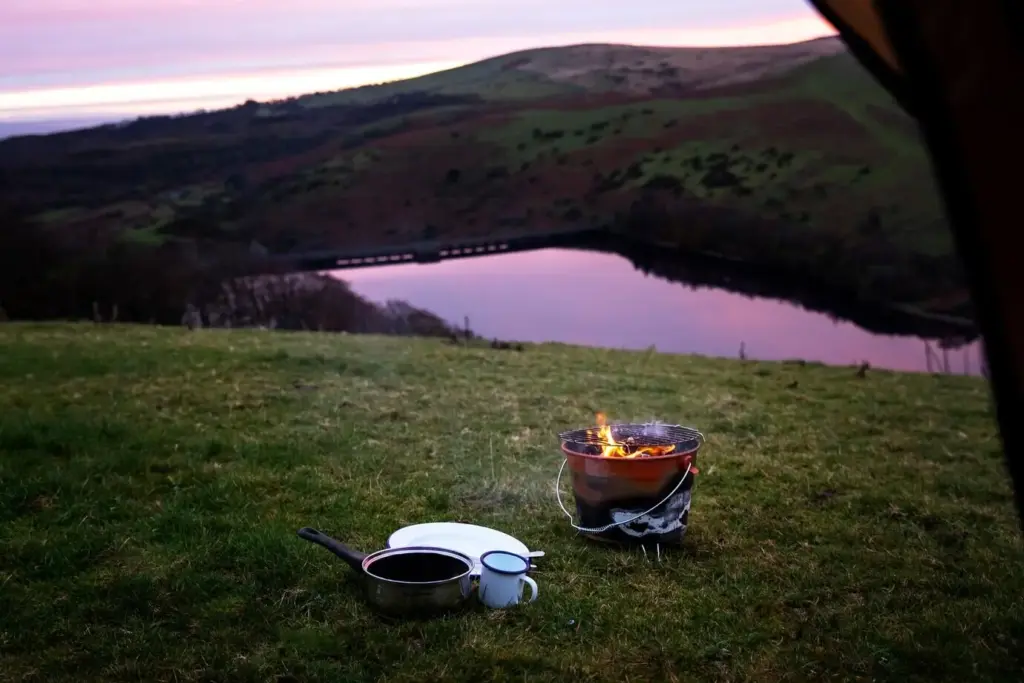
Dial in menus and hydration systems designed for quick security checks, compact storage, and reliable calories when schedules shift. We’ll explore no-cook options, fast-boil setups, and container choices that avoid leaks while surviving overhead bin squeezes. Discover resupply at stations, grocers, or kiosks near trailheads, and learn versatile treatment methods that balance speed, cost, and taste. With smart packaging, minimal odors, and fuel-aware planning, your small kitchen will feel effortless from platform lunches to twilight camp sunsets.

No‑Cook and Fast‑Boil Menus

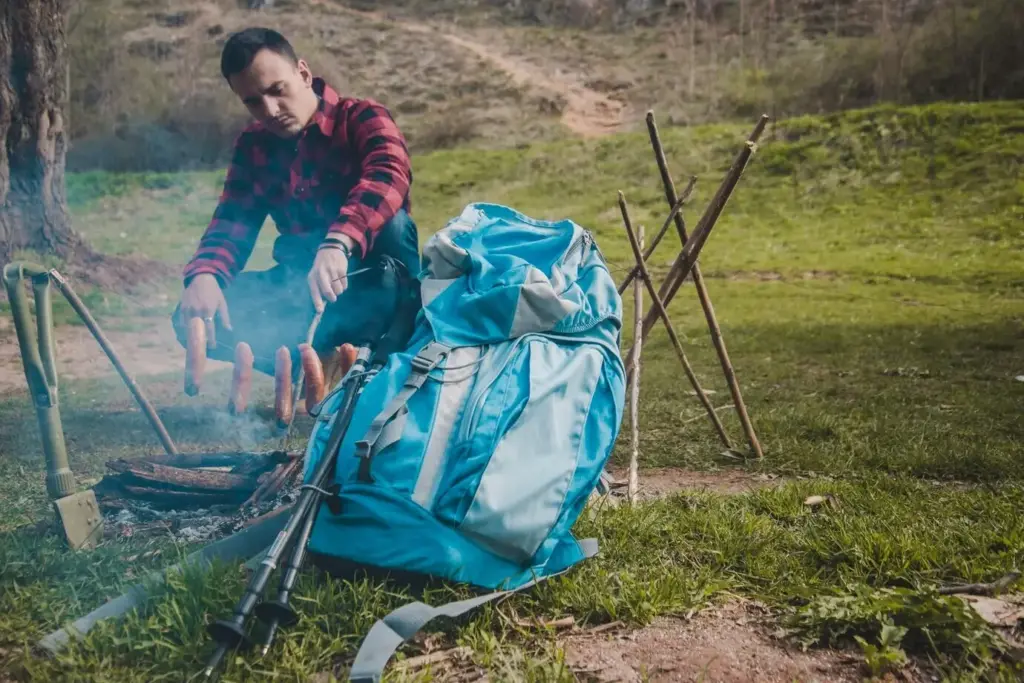
Cold-soak couscous, instant refried beans, and overnight oats cut complexity, fuel use, and clean-up. For hot meals, pair a tiny canister stove with a narrow pot that nests fuel, lighter, and spoon. Favor calorie-dense foods like nut butters, olive-oil sachets, and dark chocolate. Repackage into lightweight bags with clear meal counts to avoid overpacking. Keep a tiny spice vial for morale, and schedule a celebratory platform pastry or café espresso that fits perfectly with your light, happy cooking plan.

Water Treatment and Urban Resupply

Carry a compact squeeze filter for trails, backup chemical tablets for questionable sources, and a collapsible bottle that vanishes when empty. Train stations or convenience stores often offer bottled water for the first miles, while trail spigots or streams top you off later. Pre-mark map layers with reliable taps and seasonal closures. Taste matters, so bring a tiny electrolyte packet to brighten flat flavors. This layered approach keeps your load adaptable, safe, and refreshingly simple regardless of unexpected detours or delays.
Layering That Breathes on Platforms and Ridges
Start with a light merino or high-wicking synthetic base, add a thin fleece or active-insulation midlayer, and finish with a featherweight wind shell for dramatic warmth-to-weight gains. This trio adapts instantly to microclimates inside cars, breezeways, and forest shade. Vent early on climbs to avoid sweat chills at camp, and rotate a dry base for sleep. Minimalist gloves and a neck gaiter punch above their weight on gusty platforms, rounding out a system that remains tidy, quiet, and effective.

Rain, Wind, and the Art of Staying Dry Enough

Rather than chasing perfect dryness, prioritize comfort and heat retention with a breathable rain shell, brimmed cap, and quick-draining shoes. Pit zips, core vents, and disciplined pacing reduce clamminess. Stow the shell within immediate reach so passing showers don’t soak insulation. When storms linger, combine wind layer plus shell for microclimate control. A tiny pack liner or simple trash compactor bag keeps sleep gear pristine. This approach saves weight while preserving morale, stride length, and a sense of momentum.

Navigation, Power, and Safety for a 48‑Hour Escape
Choose tools that keep you oriented and calm without filling your bag. Offline maps, compact battery banks, and a micro first-aid kit support confident decisions when trains run late or side trails beckon. We’ll plan redundancy that respects weight, pairing a tiny paper map with a phone app and waypoint notes. Expect tips on charging etiquette, storm awareness, wildlife considerations, and simple communication habits that help friends track your progress and greet you cheerfully at the return platform.
Download regional basemaps and route layers, then switch to airplane mode to preserve battery while tracking your pace. Annotate bail-out points, water sources, and transit stops directly in the app. A postcard-sized paper map rides in a zip bag as an all-weather backup. Practice navigating with the screen locked, checking at decision points rather than every bend. This calm cadence keeps you aware, energy-efficient, and ready to adapt if trail signage fades or cloud cover blocks helpful landmarks.
A slim 5,000–10,000 mAh bank and short cable cover weekend needs when paired with battery-saving habits like low brightness, offline routing, and airplane mode. Top off at cafés during transfers, and share charge with partners if anyone dips unexpectedly. Keep cords coiled in a tiny pouch to prevent loss. Consider a lightweight watch with breadcrumb navigation to further reduce phone screen time. Together, these choices deliver reliable power with trivial weight, supporting photos, maps, journaling, and surprise sunset panoramas.
Carry just enough: blister kit, mini tape roll, a couple of dressings, tweezers, and pain relief. Add a small whistle and ultralight emergency blanket for serious what-ifs. Practice checking weather patterns, daylight windows, and alternate exits before you leave cell service. Agree on turnaround times and regroup points with companions. With a tiny kit and practiced decision habits, you handle common hiccups gracefully, avoid cascading problems, and keep weekend energy high, curious, and generously shared among everyone involved.

The Ultralight Weekend Checklists: Modular, Tested, Printable

Use these modular checklists to pack faster, think clearer, and keep base weight low while honoring transit constraints. Each list outlines essentials plus weather and route variations, helping you customize without second-guessing at the station. Expect tight categories, memorable weight targets, and smart redundancies that play nice with trains, buses, and bikes. Download, reuse, and tweak after every trip. Share your tweaks or questions in the comments—your discoveries help fellow travelers refine their kits, plan routes, and celebrate smoother escapes.

Fair‑Weather Core List Under Eleven Pounds

Aim for a sub‑eleven‑pound base by pairing a 30‑liter pack, tarp or trekking‑pole tent, three-season quilt, and compact pad. Add a tiny stove or no-cook kit, two-liter hydration capacity, and a streamlined clothing bundle with wind shell. Include headlamp, micro first aid, map, and minimalist hygiene items. Everything nests into carry‑on proportions. This core list proves a two-night outing can feel luxurious when necessities are dialed, leaving headspace for serendipity, long viewpoints, and easy conversations on the ride home.

Shoulder‑Season Add‑Ons That Earn Their Keep

When temperatures dip, add a light puffy, thicker beanie, glove liners, and a slightly higher R‑value pad. Consider a small groundsheet and an inner net if bugs persist. Upgrade rain protection with longer hem coverage and sturdier guylines. Keep food equally dense so weight stays steady despite extra insulation. With thoughtful add‑ons, you maintain warmth, morale, and flexibility without ballooning the pack. These deliberate choices keep weekends on the calendar even as daylight shrinks and forecasts flirt with sleet.

Lifanalavorotilulani
Privacy Overview

This website uses cookies so that we can provide you with the best user experience possible. Cookie information is stored in your browser and performs functions such as recognising you when you return to our website and helping our team to understand which sections of the website you find most interesting and useful.