
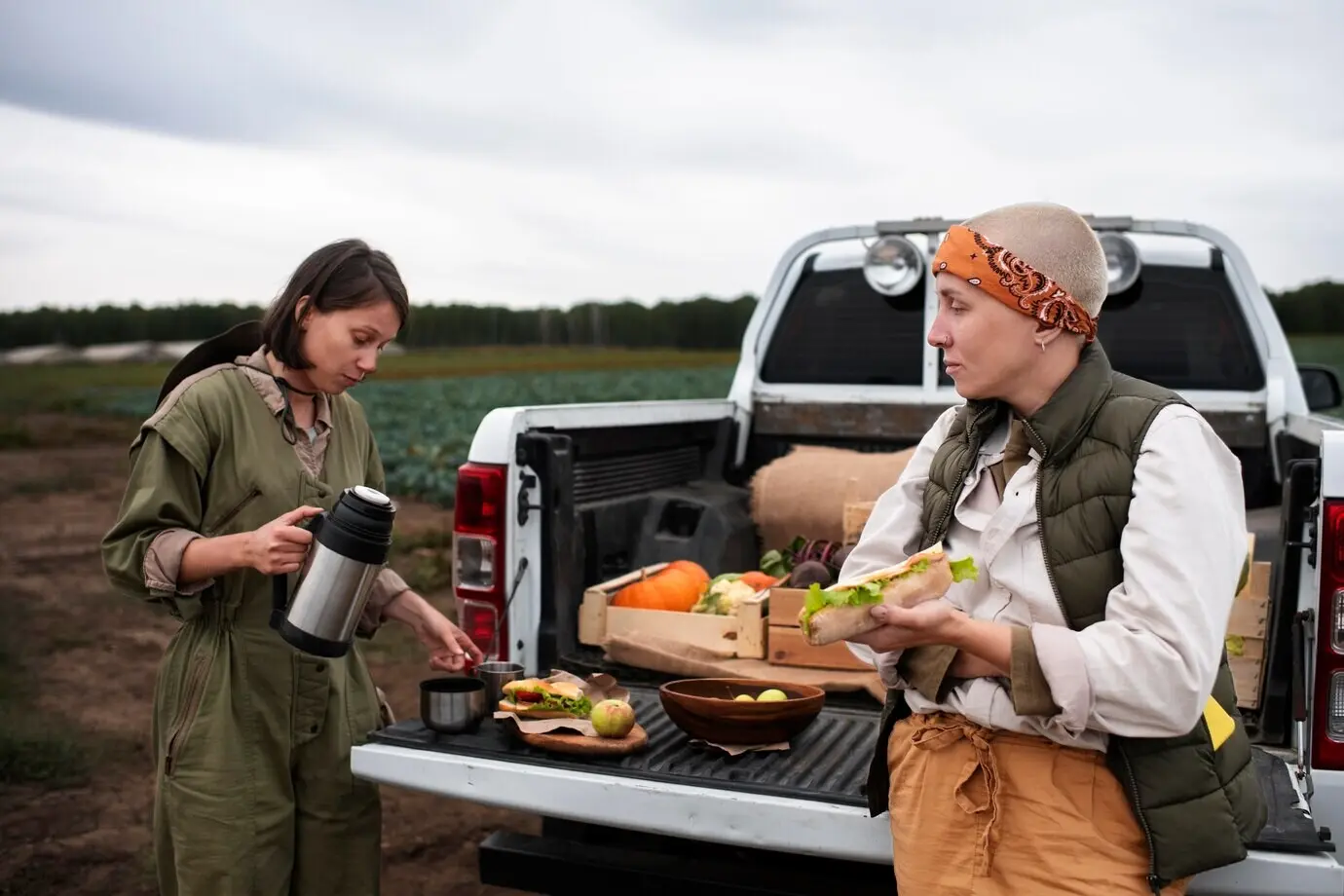
Timetables are terrain. Elevation gain becomes transfer time, switchbacks become service frequencies, and water sources become convenience stores near stops. Learn to spot limited weekend runs, seasonal changes, and the last outbound trip worth catching. Build buffers at pinch points, star backup departures, and screenshot schedules. Confidence grows when you read headways and platform notes as clearly as blaze marks and junction signs.
Reliability beats proximity when your tent rides the bus. Compare on-time performance, weekend service patterns, and historic disruption notices before committing. Prioritize campgrounds with multiple routes, nearby stations, or ranger shuttles. Favor places with walk-in sites close to entrances, water taps near paths, and clearly marked pedestrian gates. Ask rangers about shoulder-season closures, and message park groups to confirm which loops open first after storms.
That final stretch from stop to site can define the whole trip. Consider ranger shuttles, bike‑share docks, folding bikes allowed on off-peak trains, or a scenic footpath along a river. Pack reflective straps for dusk walks, and pre-download maps for unlit roads. If shuttles pause early, plan arrival while daylight lingers. Where rideshares are scarce, coordinate with campground hosts, who often know friendly locals and safe shortcuts.
We hopped off in predawn calm, following reflective markers to the walk-in loop. A tent rose in ten minutes, and the kettle steamed as the lake turned silver, then rose gold. Because we packed ultralight, the last quarter-mile felt playful, not punishing. Later, a ranger shared mushroom tips by the dock, and we caught a nap before a leisurely shoreline ramble to a picnic table made for lingering.
Saturday dawned with fog threading spruce branches along a coastal boardwalk. We timed the shuttle to a cove, then hiked inland where a tiny town hosted a weekend market. A pop‑up bakery sold cardamom buns still warm. We lingered, chatted with locals about tide pools, and strolled back with full thermoses. The return bus rolled in on time, and camp smelled like cedar and cinnamon at twilight.
Three friends, two lines, one meeting point under a squeaky departures board. We compared gear, redistributed snacks, and walked to a riverside campground where reservable walk-in pads sat beneath cottonwoods. Night brought meteor streaks, and morning brought shared oatmeal stirred with chocolate chips. When a signal outage hit, our printed schedule saved the exit. Laughs, light packs, and layered contingencies turned strangers’ questions into future invitations.
Choose a train over a solo car ride and you often cut emissions substantially, especially where electric rail runs on cleaner grids. Share seats, skip idling, and plan efficient walking links. Combine errands on travel days, and buy local goods near camp to reduce freight miles. Track your savings in a journal; celebrating tangible progress keeps motivation high and turns small choices into lasting, joyful habits.
Walk‑in loops carry sound differently, so soft voices and mindful lantern use matter. Zip food, tidy lines, and leave the pad spotless, even if you inherited debris. Respect quiet hours so dawn birdsong feels magical. If someone arrives late from a delayed bus, lend a light and a smile. The kindness you offer returns when weather flips or platforms crowd, knitting a traveling community that looks out for one another.
Help fellow riders by describing routes, agencies, and transfer tips while protecting delicate areas. Skip exact coordinates for fragile meadows or tiny backcountry sites. Instead, explain principles: pick multiple-return options, research seasonal shuttles, and verify footpaths. Post bus-lane etiquette, pack lists, and respectful camp routines. You’ll grow a culture that spreads access and reduces pressure, keeping special places welcoming for those who arrive softly, on foot and by transit.

Carry items that work everywhere: a neck buff that becomes a pillowcase, a micro towel for dew on benches, and a lightweight groundsheet for damp platforms. Slip camp shoes into an exterior pocket for quick station changes. A paperback or downloaded audiobook turns waits into rest. These small comforts reduce friction, protect patience, and create a pleasant rhythm from ticket gate to fire glow.
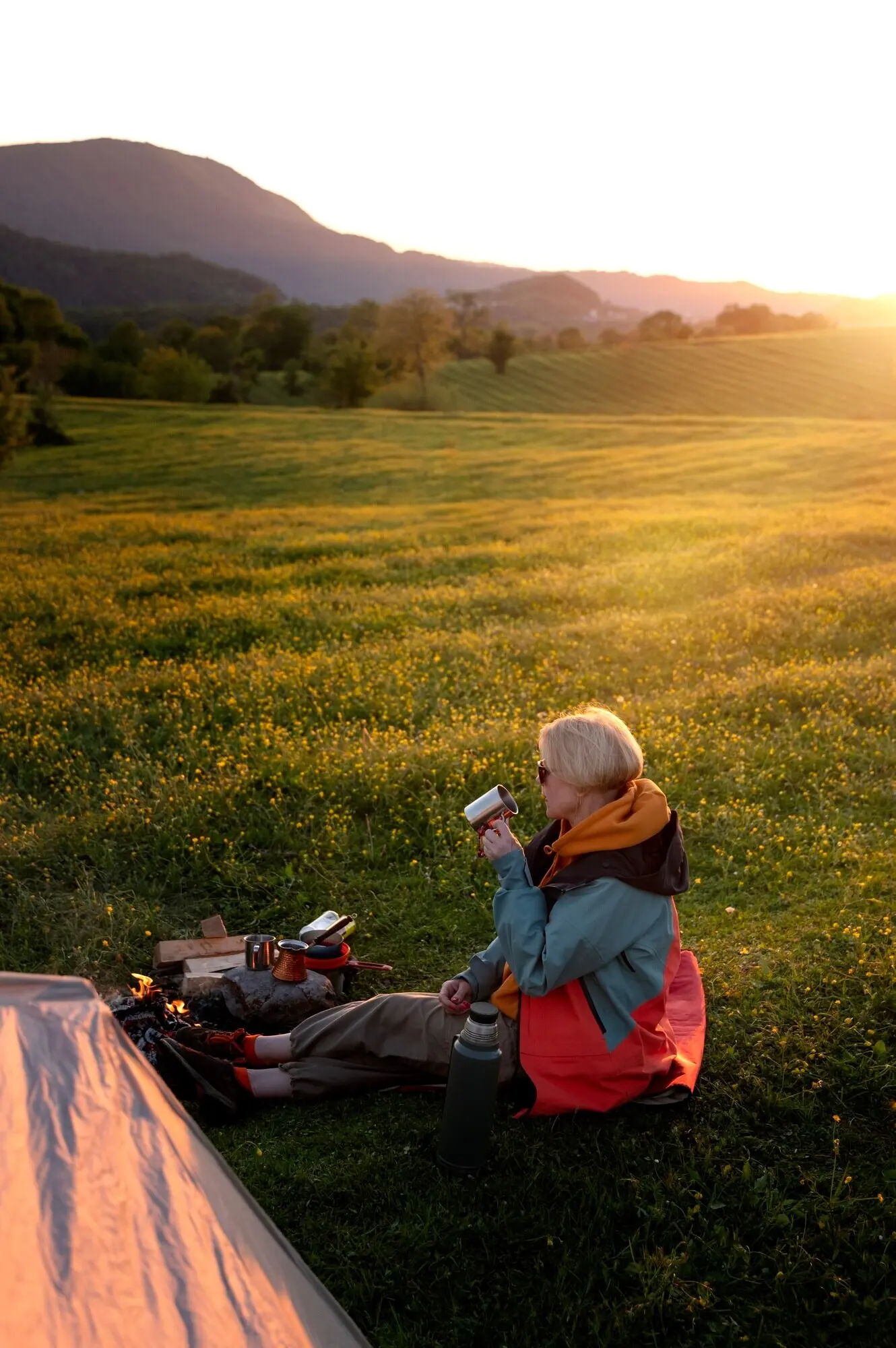
Choose a small pot, efficient stove, and windscreen that nest neatly. Instant coffee, tea sachets, and cocoa carry light and taste luxurious at dawn. Add powdered milk and a pinch of cinnamon. If open flames are restricted, consider permitted electric options at designated sites or a no‑boil alternative like cold‑soaked oats. Warm beverages anchor mornings and make cool evenings feel like a treat worth remembering.
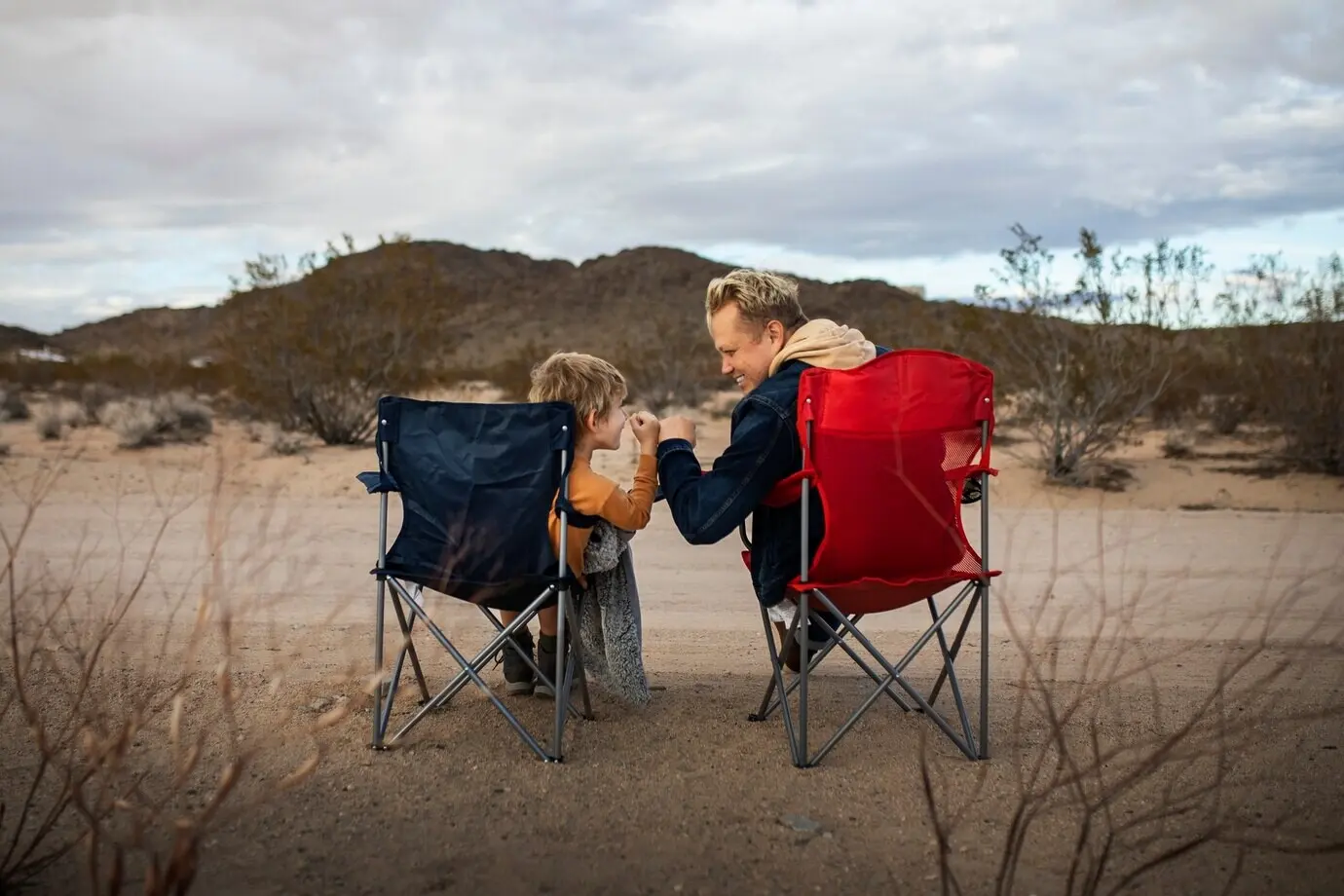
Practice a five‑minute pitch: lay groundsheet, pop poles, stake corners, inflate pad, then unpack sleep layers and lantern. Keep rain gear and snacks near the door for late arrivals. Hang a tiny line for damp socks, and designate a clean gear zone. A predictable routine beats fatigue, supports good decisions, and frees your mind to enjoy stars, wind in trees, and the hush around your tent.