
Set Out Together: Car‑Free Camping Adventures Kids Will Love
Getting There Without a Car
Choosing Camps Where Kids Thrive
Facilities that actually matter to families
Safety checks you can do from home
Packing Light, Sleeping Right
The family ultralight matrix
List non-negotiables—warmth, shelter, water treatment—then trim duplicates: one pot, one robust first-aid kit, shared repair supplies. Consider a trekking-pole tent or semi-freestanding design for lighter approaches. Choose refillable bottles over bulky bladders for flexible packing. Use color-coded dry bags so kids know what they carry. Practice repacking at home, timing the process, and making it playful. Each ounce saved gives room for a storybook, a magnifying glass, or that beloved stuffed companion that guards dreams.
Sleep setups that win bedtime
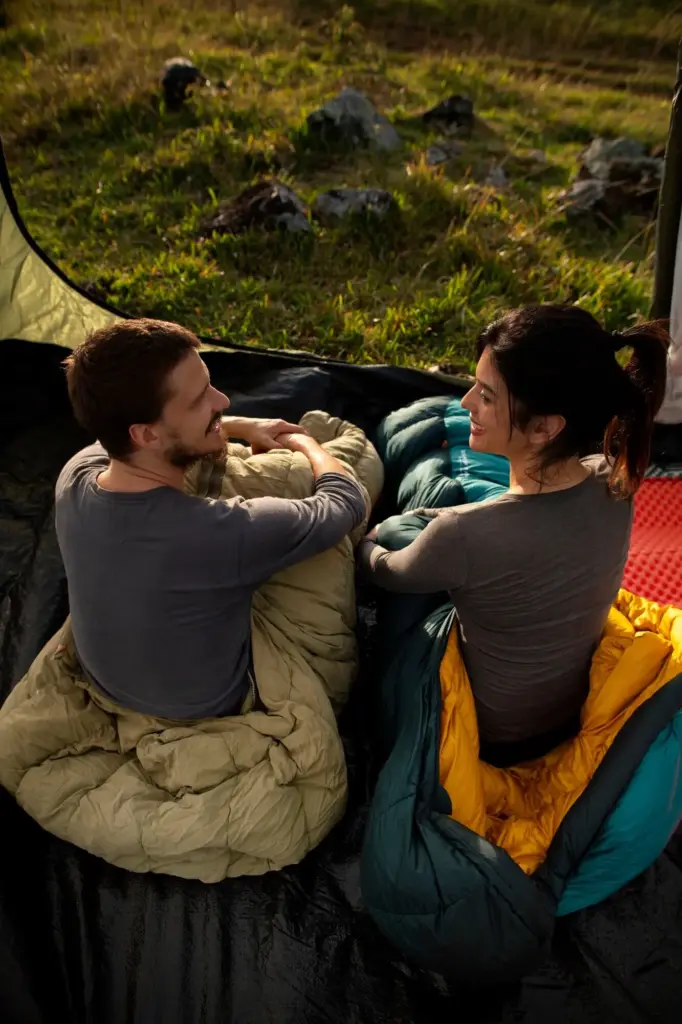
Prioritize pads with high R-values for little bodies, add a thin foam layer where wigglers roll, and keep a warm water bottle ready for feet on chilly nights. A soft red headlamp preserves calm and stargazing readiness. Establish a routine—brush, cozy layers, shared story, quiet breaths—that travels as easily as your packs. Celebrate the first night kids fall asleep to owls, letting early wakeups become sunrise rituals with cocoa steam, dew on boots, and giggles in glowing light.
Weatherproofing without overpacking
Layering solves changing skies: breathable base, insulating mid, and a shell that seals smiles through drizzle. Pack kid-sized mitts and sun hats, then double-use items: a poncho becomes a groundsheet, a buff becomes a pillowcase. Dry bags earn jobs as camp totes. Include a tiny clothesline for surprise soakings. Teach kids to check clouds and wind, turning forecasts into games. You’ll carry less, adapt faster, and keep spirits bright when gusts and sunbeams trade places without warning.
On‑Trail Joy: Games, Learning, and Breaks
Micro‑adventures every kilometer
Turn curiosity into navigation
Snack strategy as morale magic
Menus that pack small and delight
Stoves, fuel, and safe kid involvement
Cleanup rituals that teach stewardship
Safety, Comfort, and Confidence
First‑aid skills tailored for families
Customize your kit: blister patches, kid-friendly pain reliever, antihistamine, tick tools, and bright bandages that turn scrapes into bravery badges. Practice simple scenarios at home, from hot-cocoa-temperature checks to ankle wraps. Assign roles: the caller, the navigator, the comfort captain. Keep medical info sealed in a small waterproof pouch. Teach kids to describe sensations clearly—sting, throb, or tight—so treatment matches needs. Prepared families move with quiet confidence, knowing they can handle bumps and return to laughter quickly.
Weather wisdom for tiny adventurers
Customize your kit: blister patches, kid-friendly pain reliever, antihistamine, tick tools, and bright bandages that turn scrapes into bravery badges. Practice simple scenarios at home, from hot-cocoa-temperature checks to ankle wraps. Assign roles: the caller, the navigator, the comfort captain. Keep medical info sealed in a small waterproof pouch. Teach kids to describe sensations clearly—sting, throb, or tight—so treatment matches needs. Prepared families move with quiet confidence, knowing they can handle bumps and return to laughter quickly.
Wildlife awareness without fear
Customize your kit: blister patches, kid-friendly pain reliever, antihistamine, tick tools, and bright bandages that turn scrapes into bravery badges. Practice simple scenarios at home, from hot-cocoa-temperature checks to ankle wraps. Assign roles: the caller, the navigator, the comfort captain. Keep medical info sealed in a small waterproof pouch. Teach kids to describe sensations clearly—sting, throb, or tight—so treatment matches needs. Prepared families move with quiet confidence, knowing they can handle bumps and return to laughter quickly.