
Proteins That Keep and Power Your Miles

Shelf stable options make protein effortless and safe without ice. Tuna and salmon pouches, foil pack chicken, dehydrated beans, shelf stable tofu, and hard cheeses ride well and cook fast. Pair with single serve nut butter or roasted seeds to boost calories, add texture, and keep energy steady between long climbs and late camp arrivals.

Carbs, Comfort, and Quick Rehydration

Fast cooking carbohydrates save fuel and soften quickly after a short boil or brief soak. Instant rice, couscous, ramen, quick oats, tortillas, and sturdy flatbreads handle backpacks, panniers, and city buses without crumbling. Build bowls, wraps, or soups that warm spirits, deliver electrolytes, and welcome any vegetable, spice blend, or protein you have on hand.

Bright Flavors, Healthy Fats, and Lasting Freshness

Flavor lifts morale and reduces menu fatigue on multi day journeys. Decant olive oil, carry ghee, pack spice minis, and add sun dried tomatoes, olives, or lemon powder for brightness. Whole carrots, cabbage wedges, and snap peas last surprisingly long, providing crunch and color while resisting bruising through transfers from train to trail and winding gravel miles.

Ingredients That Travel Well Without Ice

Skip the bulky cooler and choose foods that shrug off warm days and bumpy rides. Focus on foil pouches, dehydrated staples, firm produce, and fats that resist spoilage. With smart pairing and sequencing, you can enjoy crunchy, fresh, and savory bites for days. We will spotlight affordable options, favorite trail groceries, and small upgrades that transform simple ingredients into memorable meals far from roads, parking lots, or heavy ice blocks.

Ultralight Cooking Methods for Transit Travelers

When every gram matters and buses or trains restrict fuel types, lean into simple systems that work anywhere. Canister stoves, alcohol burners, solid fuel tablets, and tidy wood stoves all have strengths. Boil only plans reduce complexity, while cozy insulation finishes cooking off flame. Add a windscreen, practice stable setup, and you will reliably produce hot meals in breezy camps, quiet city parks near trailheads, and minimalist sites without picnic tables.

01

Boil-Only Magic and Cozy Techniques

Design recipes that need only hot water poured into a pot, mug, or insulated container. Couscous, instant rice, mashed potatoes, and dehydrated chilis rehydrate perfectly off heat inside a pot cozy. This approach saves fuel, simplifies cleanup, and keeps dinner predictable when wind picks up, temperatures drop, or you arrive just before quiet hours begin.

02

No-Cook Mastery for Hot Days and Late Arrivals

For sweltering afternoons or after dark arrivals, skip flame entirely. Cold soak oats, ramen, or couscous in a leak proof jar while you hike, then assemble wraps with tuna, crunchy vegetables, and a squeeze of mayo or hot sauce. Balanced no cook meals maintain momentum, prevent hanger, and let you camp discreetly without noisy burners or bright stove light.

03

Fuel Planning, Safety, and Urban Resupply

Estimate burn time by testing at home and noting how long your stove needs to boil half a liter. Multiply by planned meals, add a wind margin, and pack conservatively. Car-free travelers often buy fuel near the station; call ahead, verify stock, and review transit rules so you board confidently and store canisters upright and secured.

Food Safety and Trail Nutrition Without Refrigeration

Safety without refrigeration depends on time, temperature, and packaging. Favor sealed pouches and dry goods, use first night for items that tolerate a few hours warm, and wash hands before prep. Plan balanced macros to avoid bonks, include electrolytes, and keep fiber moderate. With sensible handling and portioning, you can eat boldly without worry while respecting wildlife and shared camp spaces.

Packing, Resupply, and Low-Waste Practices

Organization keeps food intact through train transfers, trail jostles, and tight panniers. Repackage into lightweight bags, reinforce oils and sauces, and label portions by day. Use odor resistant liners when wildlife is active, and plan city resupply stops near transit. Commit to pack-it-out ethics, strain greywater, and carry a microtrash bottle to leave each campsite cleaner than you found it.

Three-Day Cooler-Free Menu You Can Trust
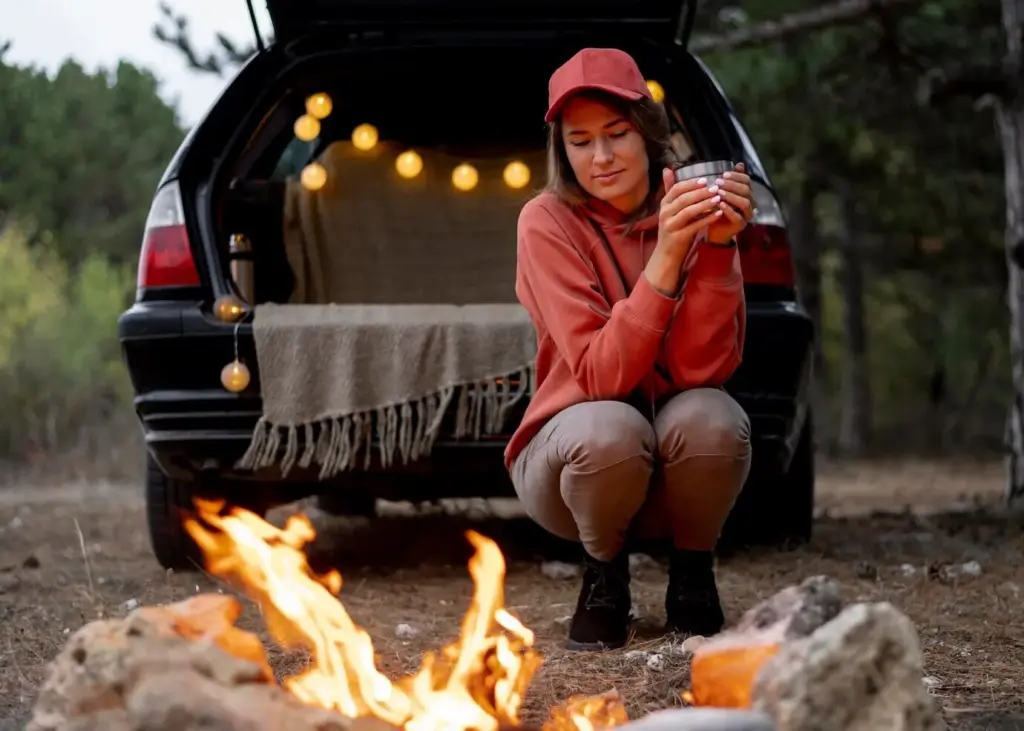
Use this flexible plan as a jumping off point, swapping items based on budget, dietary needs, and local availability. It protects fuel, keeps cleanup minimal, and staggers fresher ingredients early. Coffee and tea are included, and every day closes with something comforting, because morale is as nourishing as calories when nights run long or rainy.

Day One: Fresh-Forward Lunch and a Fast, Hearty Dinner
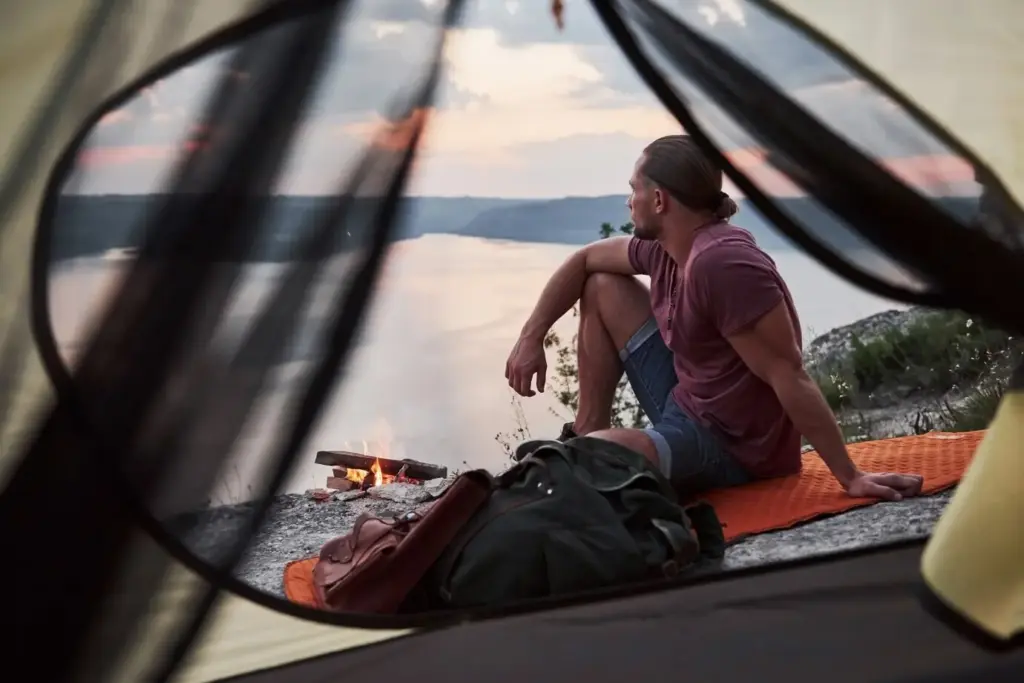
Start with crunchy produce and robust flavors before temperatures and time take their toll. Lunch could be tortillas with hard cheese, salami, mustard, and snap peas. Dinner becomes five minute couscous with sun dried tomatoes, olive oil, and a tuna pouch. Finish with dark chocolate and mint tea while your pot quietly air dries.

Day Two: Big Breakfast, Efficient Lunch, Savory One-Pot Supper

Kick off with creamy oats, chia, and dried fruit, plus instant coffee. Lunch stays simple with peanut butter tortillas, honey, and a salty pickle if you found one in town. Dinner is the classic ramen bomb, ramen plus instant potatoes, boosted with nori and soy sauce for umami, warmth, and deeply satisfying slurpability.

Community Wisdom and Ways to Get Involved

Your experiences fuel better trips for everyone. Share what worked, what failed, and how you adapted menus for heat waves, long climbs, or quirky transit rules. Post a photo of your lightest pantry, ask questions about stoves or spices, and swap favorite shops near stations. Together we will refine practical, joyful, cooler-free camp cooking.

A Bus-to-Trail Feast That Won a Campsite

A reader rode a commuter line with panniers full of tortillas, couscous, and citrus, then hiked two miles to a lakeside site. Sharing lemon couscous with olives turned strangers into dinner companions. That evening proved how simple, bright flavors can anchor connection when cans clink and the stars emerge above quiet water.

Avoiding Common Pitfalls Before They Spoil a Trip

Tortillas sometimes stale, oil sometimes leaks, and cozy seams sometimes fail. So pack a spare bread option, double bottle anything greasy, and test your gear before departure. Keep matches in a waterproof case, and carry a cold soak backup so wind or fuel hiccups never hold dinner hostage after a demanding day.

Lifanalavorotilulani
Privacy Overview

This website uses cookies so that we can provide you with the best user experience possible. Cookie information is stored in your browser and performs functions such as recognising you when you return to our website and helping our team to understand which sections of the website you find most interesting and useful.